Businesses
Interest-free loans and business advice for women entrepreneurs in Ghana
WOCEN supports small, women-led green businesses in Ghana with interest-free loans and two years of tailored business advice. This helps them grow, provide reliable incomes and fair employment, invest in climate-friendly practices and adapt to climate change.
Businesses
Interest-free loans and business advice for women entrepreneurs in Ghana
WOCEN supports small, women-led green businesses in Ghana with interest-free loans and two years of tailored business advice. This helps them grow, provide reliable incomes and fair employment, invest in climate-friendly practices and adapt to climate change.
Founder and Managing Director
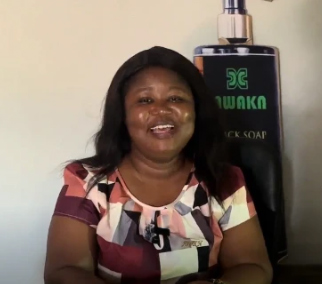
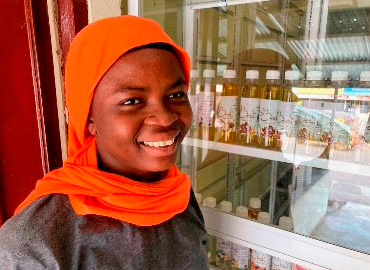
Awakn Beauty Africa
Natural cosmetics with less packaging waste
Business. Based in New Bortianor near Accra, Awakn has eight employees and makes natural cosmetics using local ingredients such as shea butter, coconut oil and moringa. Janet Yamoah founded the business in 2015. She previously made liquid soap for hotels, guesthouses and schools.
Loan. Awakn plans to introduce recyclable and biodegradable packaging and buy more raw materials.
Environmental and social impact. Awakn already offers refills for customers who bring their own containers. The new packaging is intended to reduce waste further. More orders could help safeguard jobs and provide a steadier income for more than 80 women who supply shea butter in northern Ghana.
↑ top
Managing Director
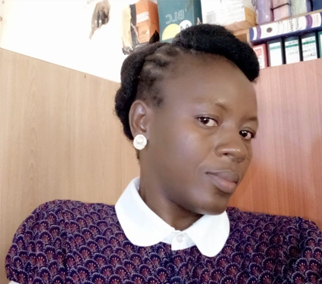
Priscilla Alemiya, Managing Director
Turning rice husks into fuel briquettes
Cooperative. Based in Bongo-Bogrigo, BBN produces parboiled rice for shops, restaurants and public institutions, including for school meals. Led by Priscilla Alemiya, the cooperative employs ten people full-time and has around 1,250 women members across 42 groups.
Loan. BBN plans to buy a press to turn rice husks into fuel briquettes and to purchase rice from its members.
Environmental and social impact. Briquettes can reduce wood consumption where they replace firewood or charcoal. They also make use of rice husks that would otherwise decompose and release CO₂. By buying rice more regularly and paying more promptly, BBN can help its 1,250 women farmers plan their income.
↑ top
Founder and Managing Director
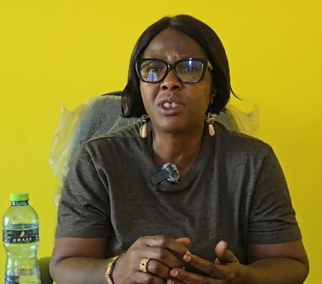
Estjud Enterprise
Using solar power to grow vegetables through the dry season
Business. Esther Baffour runs the family farm in Abesim near Sunyani. Alongside managing a cocoa and cashew plantation, the eleven-person team grows chillies, cabbages and okra.
Loan. Estjud plans to drill a borehole, install solar-powered drip irrigation for around ten hectares of vegetable crops and buy a cargo tricycle to transport the harvest.
Climate and social impact. Drip irrigation delivers water directly to the roots, allowing the team to grow vegetables during the dry season using regenerative farming methods. This could provide more regular work on the farm. Estjud plans to give preference to women when hiring.
↑ top
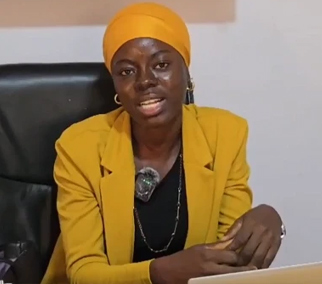
Co-founder and Co-Managing Director
Kodu Technology
Banana-fibre sanitary pads for schools
Business. Based in Tamale, Kodu makes biodegradable sanitary pads from banana and plantain stem fibres. The company employs 23 people, including 16 women. Co-founder and Co-Managing Director Dr Latifatu Mohammed also oversees product quality and safety.
Loan. Kodu plans to install more coin-operated sanitary pad dispensers in schools and other institutions and expand distribution in Accra and Kumasi.
Environmental and social impact. Higher sales would allow Kodu to make use of more banana waste. The pads are biodegradable and compostable, and the dispensers operate without electricity. Access to affordable sanitary pads at school can help reduce menstruation-related absences.
↑ top
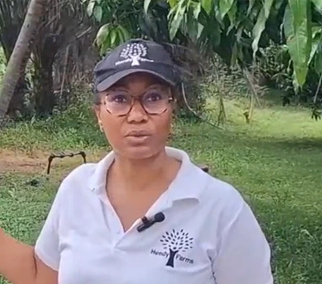
Founder and Managing Director
Hendy Farms
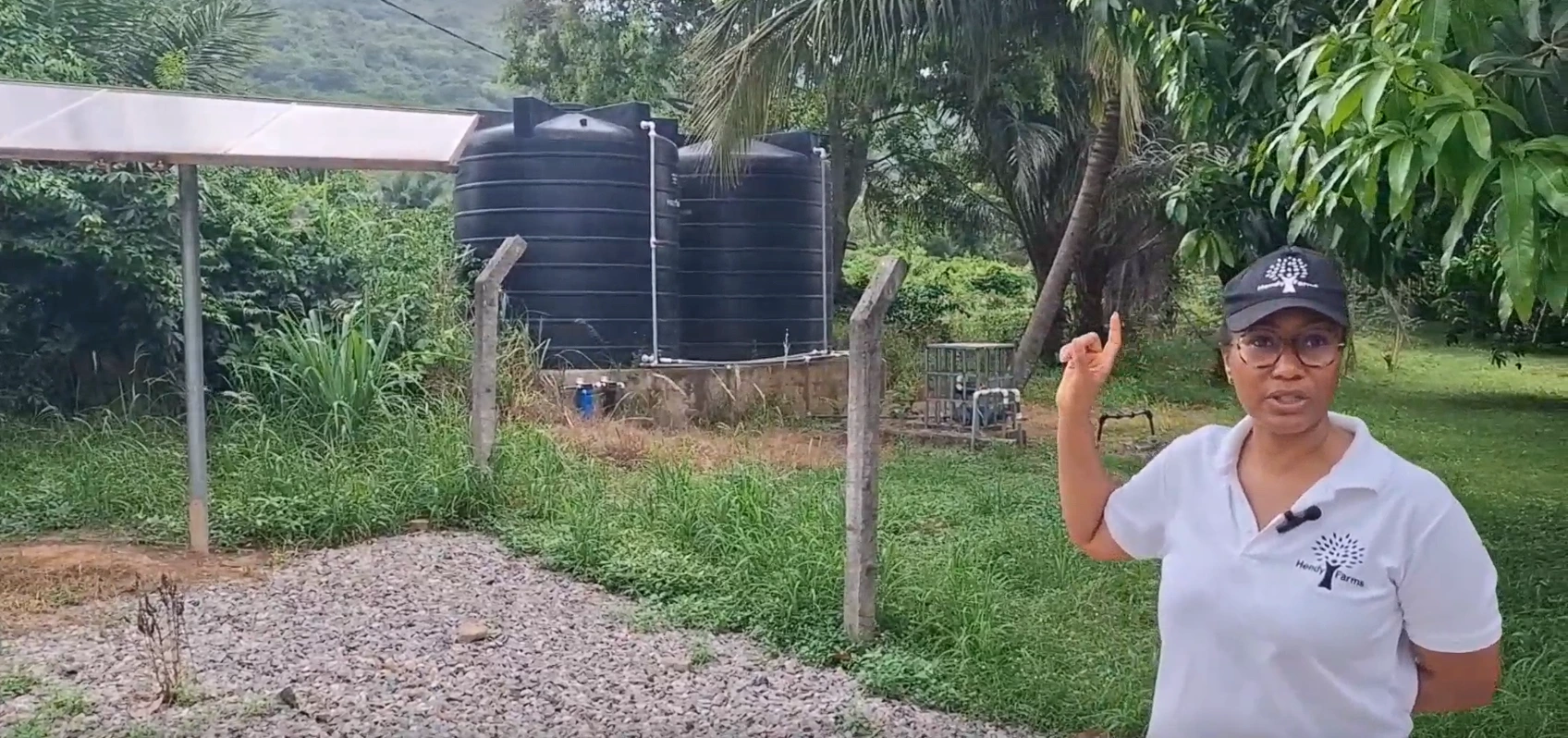
Processing mangoes with solar power
Business. Sisters Sandra Snowden and Rita Brobey run the family business in Dodowa near Accra. With twelve full-time employees, Hendy Farms makes products such as mango jam, dried and frozen mangoes, fruit ice lollies and a spiced mango sauce.
Loan. Hendy Farms plans to expand its solar power system, buy a filling machine for its fruit ice lollies and hire skilled staff.
Climate and social impact. The farm already uses solar power for irrigation and to dry mangoes. It also plans to use it to make fruit ice lollies. Processing mangoes outside the harvest season can help reduce crop losses. The mango orchard is managed according to regenerative agroforestry principles. As the business grows, it could create jobs for local women and young people and help secure incomes for 150 suppliers.
↑ top
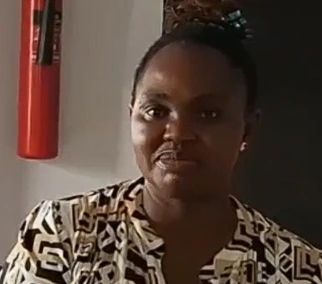
Founder and Managing Director
Vinos Farms
A solar-powered mill for poultry feed
Business. Adwoa Oforiwaa founded Vinos Farms in 2021 and runs the family business in Juaben, in Ghana’s Ashanti Region. The farm has around 7,000 laying hens.
Loan. Vinos Farms plans to install a solar-powered feed mill with mixing equipment and build a storage facility. This will allow the farm to produce its own poultry feed on site.
Climate and social impact. The mill will use solar power to grind and mix the feed. Producing feed on site will eliminate feed deliveries and reduce transport-related CO₂ emissions. Nearby farms use the poultry manure as organic fertiliser. The expansion could create jobs and increase the local supply of affordable eggs.
↑ top
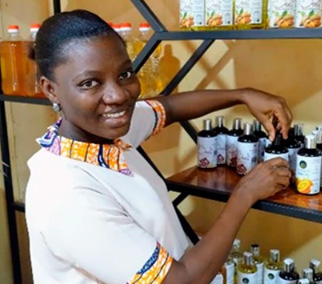
Founder and Managing Director
Hope Givers Company Limited
Shea butter boosts incomes and helps protect trees
Business. Linda Atibilla founded Hope Givers in 2016 and runs the business in northern Ghana. The company markets shea butter and shea oil and works with a Fairtrade-certified cooperative of around 2,000 women shea producers across 25 villages.
Loan and grant. With WOCEN’s support, Hope Givers covers the upfront costs of buying and storing shea nuts. The support has also helped the company establish a tree nursery and begin setting up a facility to produce fuel briquettes.
Environmental and social impact. Hope Givers can buy more shea butter from the cooperative, increasing the women’s incomes. Together, they are raising 10,000 shea and moringa seedlings. The young shea trees will help secure the long-term supply of shea nuts for butter production. Fuel briquettes made from processing residues can replace firewood and help protect existing trees.


↑ top
Donate now
Become a Member now
Contact address
WOCEN
Women Climate Entrepreneurs
PO Box
4002 Basel
+41 (0)79 6 74 5765
info[at]wocen.org
Bank connection
IBAN: CH13 0900 0000 1619 0106 0
BIC: POFICHBEXXX
Legal matters
Social Media


DONATE